
Things to Know About Dental Practice Sales
Selling a dental practice is a big milestone, and a smooth sale depends on understanding a few key realities before you start. Transworld can help you with dental practice sales.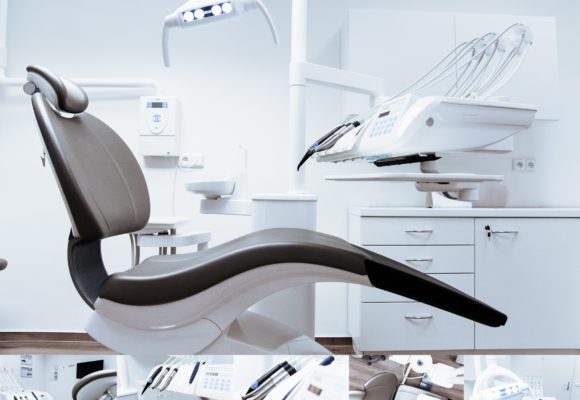
- First, valuation drives everything. Dental practices are typically valued using a multiple of EBITDA (earnings before interest, taxes, depreciation, and amortization), adjusted for factors like location, patient demographics, payer mix, growth trends, and provider dependency. Clean, well-documented financials for the past 3–5 years are essential—messy books can lower value or slow a deal.
- Second, timing matters more than many owners expect. Practices usually sell best when revenue is stable or growing, not when the dentist is already burned out or reducing hours. Ideally, the seller plans 1–3 years ahead to optimize operations, address inefficiencies, and lock in strong performance before going to market.
- Third, buyers are diverse. You may sell to an associate, an individual dentist, a dental service organization (DSO), or a private equity–backed group. Each buyer type brings different deal structures, expectations, and levels of post-sale involvement. DSOs often pay higher prices but may require the seller to stay on clinically for several years.
- Fourth, confidentiality is critical. Staff, patients, and referral partners should not learn about the sale prematurely. Brokers and advisors typically use anonymous listings and controlled disclosures to protect the practice during negotiations.
- Fifth, the deal structure affects your net outcome. Asset sales are most common in dentistry and have different tax implications than stock sales. Terms like earn-outs, holdbacks, real estate inclusion, and seller financing can significantly impact both risk and final take-home proceeds.
- Sixth, your team and transition plan matter. Buyers want assurance that staff will stay and patients will remain loyal. A clear transition plan—introductions, communication strategy, and a defined seller handoff period—can protect goodwill and preserve value.
- Finally, professional advisors are worth it. An experienced dental broker, CPA, and healthcare attorney can help maximize value, avoid costly mistakes, and keep the process moving.
A dental practice sale isn’t just a transaction—it’s a strategic exit. Planning early and understanding these fundamentals makes all the difference. If you need assistance, we’re just a phone call away.